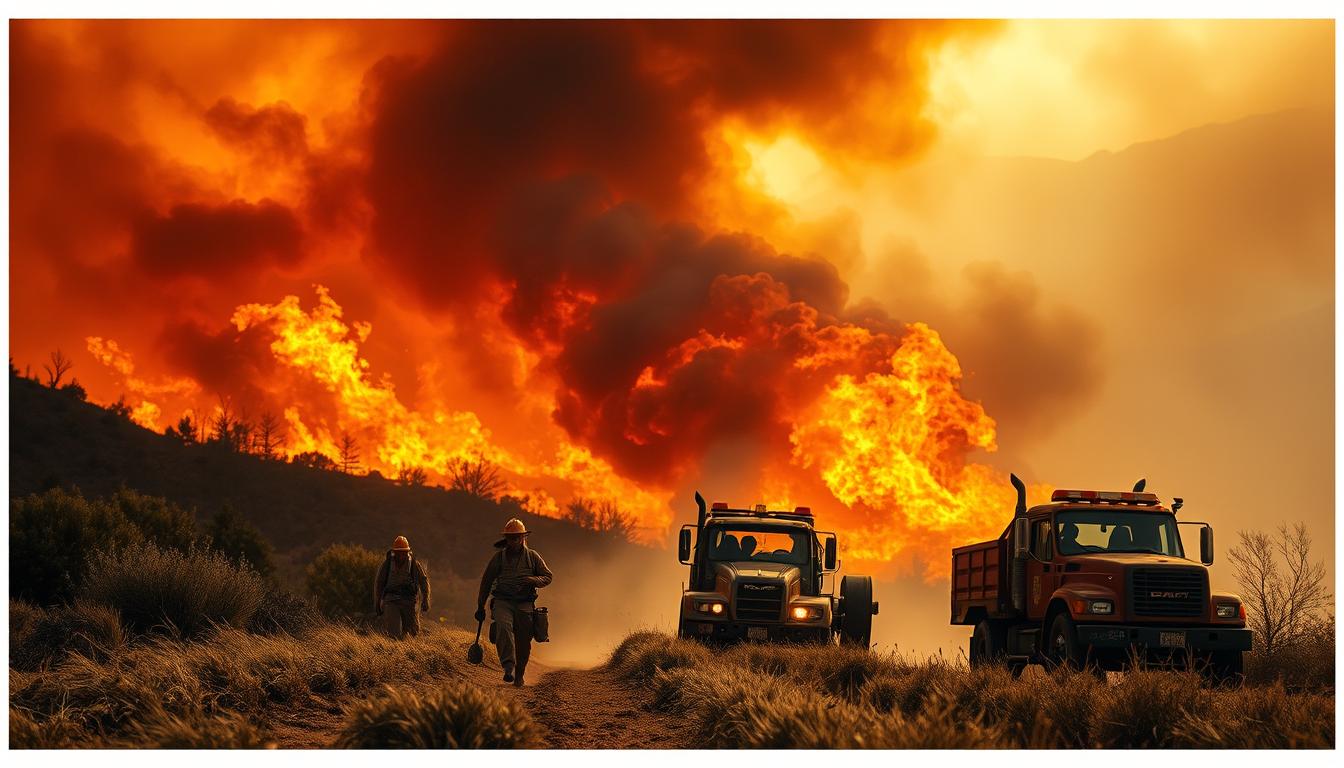

Wildfires are a growing threat in the United States, especially from April to October. To keep your home and family safe, you need a solid plan. People in areas like Chico, California, know how crucial it is to prepare for wildfires.
JFerguson Construction in Chico helps make homes safer from wildfires. They focus on creating safe spaces and renovating homes to withstand fires. Having a detailed wildfire preparation checklist can help protect your property and loved ones.
Start by knowing your local wildfire risks and having emergency contacts ready. Also, take steps to protect your home. This way, you can reduce damage and keep your family safe during wildfires.
Key Takeaways
- Understand your local wildfire risk zones
- Create comprehensive emergency contacts list
- Develop a strategic wildfire preparation checklist
- Invest in home hardening techniques
- Practice regular property maintenance
- Stay informed about local emergency protocols
Creating a Defensible Space Around Your Property
Protecting your home from wildfires starts with creating a strategic defensible space around your property. This critical safety zone acts as a protective buffer. It can significantly reduce the risk of fire spreading to your home during wildfire season.
Clearing Vegetation and Dead Plant Material
Effective defensible space begins with thorough vegetation management. Homeowners should focus on removing potential fire fuel sources:
- Clear dead grass, leaves, and branches within 30 feet of your home
- Remove dry brush and dead plants
- Trim trees and shrubs away from structural surfaces
- Create a clean, well-maintained perimeter around buildings
Fire-Resistant Landscaping Techniques
Fire-resistant landscaping is crucial in developing a robust defense against wildfires. Strategic plant selection and placement can dramatically reduce fire risk:
- Choose native, drought-resistant plants
- Select plants with high moisture content
- Use rock, gravel, or stone in landscape design
- Avoid highly flammable species like eucalyptus and pine
Tree and Shrub Spacing Guidelines
Proper spacing between vegetation prevents fire from quickly spreading across your property. Follow these essential guidelines:
- Maintain 10 feet between tree canopies
- Keep shrubs at least 10 feet from building foundations
- Remove lower tree branches up to 10 feet from ground
- Create horizontal and vertical breaks in vegetation
By implementing these defensible space strategies, homeowners can significantly improve their property’s resilience against wildfire threats.
Essential Home Hardening Measures
Protecting your home from wildfires needs smart home hardening techniques. These methods create a strong defense against fire threats. Home hardening involves adding protective measures to make your home less vulnerable during wildfire seasons.
Important home hardening strategies include using fire-resistant materials and ember-proofing key areas. Homeowners can lower fire risk by making smart renovations and adding protective barriers.
- Install fire-resistant roofing materials like metal or clay tiles
- Replace wooden siding with cement or stucco exterior coverings
- Use non-combustible decking materials around your property
- Add mesh screening to vents and gutters to block flying embers
Professional contractors can help find your home’s weak spots. They suggest ember-proofing techniques to protect against wildfires. This creates multiple layers of defense.
Focus on hardening roof edges, exterior vents, windows, and landscaping. Using fire-resistant materials in these areas greatly lowers risk during fires.
- Seal potential entry points for embers
- Create defensible space around structures
- Choose building materials wisely
Home hardening is more than just protection. It’s about building a fire safety plan for your home. This plan keeps your most valuable asset safe.
Wildfire Preparation Checklist: Emergency Kit and Documentation
Getting ready for a wildfire evacuation means planning well. A detailed checklist is key to keep your family and valuables safe.
Making a good emergency kit is more than just collecting stuff. It’s about planning and thinking about what your family needs.
Essential Documents to Gather
Keeping important papers safe is a big part of your checklist. Make sure to collect and protect these documents:
- Identification documents (driver’s licenses, passports)
- Insurance policies
- Birth certificates
- Property deed and mortgage documents
- Medical records
Emergency Supply Kit Contents
Your emergency kit should last your family 72 hours. Include these must-haves:
- Non-perishable food (3-day supply)
- Water (1 gallon per person per day)
- Battery-powered or hand-crank radio
- Flashlights
- Extra batteries
- First aid kit
- Multi-tool
- Emergency blankets
Medical Supplies and Prescriptions
Don’t forget to focus on medical needs in your kit. Always keep a week’s worth of prescription meds and remember to include:
- Prescription medications
- Over-the-counter pain relievers
- Chronic disease management supplies
- Extra eyeglasses or contact lenses
- Personal medical devices
Keep your emergency kit in a waterproof, easy-to-carry container. Make sure it’s always ready and check your checklist often.
Vehicle and Evacuation Planning
Getting your vehicle ready for a wildfire emergency is key. Your car can be your lifeline in a crisis. So, making sure it’s ready can save lives.
Start your evacuation plan by keeping your gas tank half full during wildfire season. Fuel stations might be busy or hard to reach when you need them most. So, having enough fuel is vital.
- Maintain a full emergency kit in your vehicle
- Keep a physical map of evacuation routes
- Ensure your vehicle is mechanically sound
- Practice your evacuation route
Protecting yourself from wildfire smoke is also important. Pack N95 masks and air filters. Make your car a safe space by closing windows and using the air conditioning to keep smoke out.
Make sure your vehicle has these emergency supplies:
- Water and non-perishable food
- First aid kit
- Flashlight with extra batteries
- Blankets and warm clothing
- Portable phone charger
Keep up with local wildfire news and be ready to leave fast. Your vehicle is a big part of your emergency plan.
Conclusion
Creating a detailed wildfire preparation checklist is key to safeguarding your home and family. This guide offers essential steps to lower risks and boost safety in areas prone to wildfires.
By taking early action, like clearing defensible spaces and hardening your home, you can greatly reduce damage. In places like Chico, California, it’s vital to focus on these steps to lessen wildfire effects.
JFerguson Construction is here to help homeowners in wildfire season. Our team offers professional wildfire prep services. For expert advice, call us at (530) 680-6228 for a customized plan for your home.
Having a solid wildfire prep checklist is your strongest defense against disasters. Keep up with local fire news, stay alert, and make a detailed emergency plan. This will protect your home and family.
FAQ
What is a defensible space and why is it important?
A defensible space is a zone around your home that slows down wildfires. It’s key because it protects your house by removing flammable plants. This barrier stops fires from reaching your home. By using defensible space methods, you can make your home safer from wildfires.
How often should I update my emergency kit for wildfire preparedness?
Update your emergency kit twice a year. Check the expiration dates of food, water, and medications. Replace batteries and update documents. Make sure your supplies meet your family’s needs. It’s also good to review supplies before wildfire season starts.
What are the most important home hardening techniques?
Important techniques include using fire-resistant roofing and mesh screens on vents. Replace wooden siding with non-flammable materials and seal ember entry points. Protect windows with fire-resistant shutters and keep a clear area around your home.
How can I protect my vehicle during a wildfire evacuation?
To protect your vehicle, keep the gas tank half full and have an emergency kit inside. Close windows to prevent smoke. Use N95 masks and a portable air purifier if needed. Have a charger for your devices and know multiple evacuation routes.
What documents should I include in my emergency preparation kit?
Include identification, insurance policies, property deeds, and medical records. Add prescription information, an emergency contact list, and financial documents. Store these in a waterproof container. Consider digital backups in a secure cloud service.
How do I create a fire-resistant landscape around my home?
Use native, drought-resistant plants and keep them well-spaced. Remove dead vegetation and use rock or gravel for landscaping. Avoid flammable plants near your home. Keep grass short to reduce fire fuel.
What should I do if I’m caught in a wildfire evacuation?
If caught in an evacuation, stay calm and follow instructions. Have your emergency kit ready and wear protective clothing. Keep windows and vents closed. Use a wet cloth to filter smoke. Stay informed and follow evacuation routes. Always prioritize your safety.